
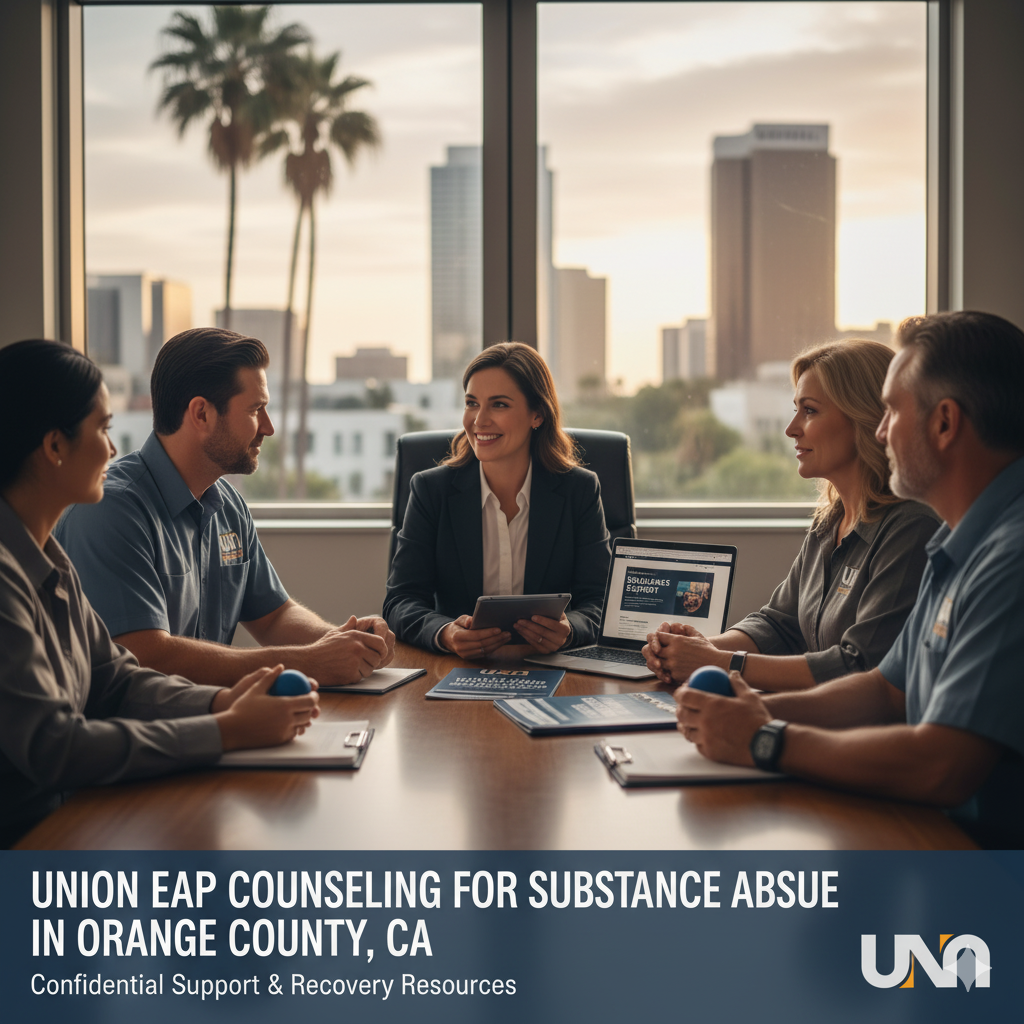
Union EAP Counseling for Substance Abuse in Orange County
Union EAP Counseling for Substance Abuse in Orange County: Your Complete Guide
When substance abuse begins affecting your work performance, relationships, or overall well-being, knowing where to turn can feel overwhelming. For union members and employees in Orange County, California, your Employee Assistance Program (EAP) represents a confidential, often no-cost gateway to professional help. This comprehensive guide explores how Union EAP counseling works, what services are available throughout Orange County, and how to access the support you need during one of life’s most challenging moments.
Understanding Union EAP Programs and Substance Abuse Support
An Employee Assistance Program is a work-based intervention designed to help employees resolve personal problems that might adversely affect their job performance, health, and well-being. For union members specifically, EAP services often provide enhanced benefits negotiated through collective bargaining agreements, making them particularly valuable for those struggling with alcohol or drug dependency.
Union EAPs differ significantly from standard health insurance in several important ways. While your health insurance provides ongoing medical coverage with deductibles, copays, and network restrictions, your EAP typically offers a set number of free, confidential counseling sessions without the need for insurance authorization or medical records. This distinction matters enormously when someone needs immediate help but fears the stigma or documentation trail that might come with using traditional insurance benefits.
The scope of Union EAP services for substance abuse typically includes initial assessments, short-term counseling (usually 3-8 sessions depending on your specific union contract), crisis intervention, referrals to specialized treatment providers, and follow-up support. Many Orange County union EAPs have established relationships with local treatment facilities, creating streamlined pathways to detoxification services, residential programs, and outpatient care.
The Confidentiality Promise: What Union Members Need to Know
Perhaps the most critical aspect of EAP services—and often the biggest concern for employees considering reaching out—is confidentiality. Union EAP counseling for substance abuse in Orange County operates under strict privacy protections governed by both federal law and professional ethical standards.
When you voluntarily contact your EAP (known as a self-referral), your employer and union leadership typically receive no information about your participation unless you specifically authorize its release. The EAP counselor cannot disclose that you called, what you discussed, or what recommendations were made. This protection extends to your spouse and dependents who may also be eligible for EAP services.
There are limited exceptions to this confidentiality that every union member should understand. EAP counselors are mandated reporters when there is imminent danger of harm to yourself or others, suspected child or elder abuse, or when a court order requires disclosure. Additionally, if you were referred to the EAP through a mandatory management referral due to job performance issues, your employer may receive limited information confirming your attendance and cooperation with the program—but not the clinical details of your sessions.
The legal framework protecting your privacy includes the Health Insurance Portability and Accountability Act (HIPAA), which safeguards your medical information, and the Americans with Disabilities Act (ADA), which protects employees with substance use disorders from discrimination. The SAMHSA workplace support resources provide detailed information about your rights under these federal protections.
For government employees and those in safety-sensitive positions in Orange County, additional confidentiality considerations may apply, particularly regarding drug testing and return-to-work clearances. Your EAP counselor can explain how these requirements intersect with your privacy rights in your specific situation.
How to Access Union EAP Services in Orange County
Accessing your Union EAP for substance abuse counseling is typically straightforward, though the exact process varies by union and employer. Most Orange County union members can self-refer by calling a confidential helpline that operates 24 hours a day, seven days a week. This number is usually printed on your union membership card, included in your benefits materials, or available through your union representative.
When you make that first call, you’ll speak with a trained intake specialist who will ask general questions about what brings you to the EAP today, the nature of your concerns, and what kind of help you’re seeking. You won’t need to provide extensive details during this initial contact—the goal is simply to connect you with an appropriate counselor who can conduct a more thorough assessment.
For Orange County residents, you might also access services through local helplines like OC Links at 1-855-625-4657, which provides free, confidential, 24/7 behavioral health information and can help coordinate with your EAP benefits. The SAMHSA National Helpline at 1-800-662-4357 offers another entry point for treatment information and referrals in English and Spanish.
Following your initial contact, you’ll typically be scheduled for an assessment session, which may occur in person at an Orange County location convenient to you, virtually through telehealth platforms, or occasionally by phone. During this assessment, a licensed counselor will explore your substance use patterns, how they’re affecting different areas of your life, any previous treatment attempts, co-occurring mental health concerns, and your readiness for change.
Based on this comprehensive evaluation, your counselor will develop recommendations. For some individuals, the short-term counseling provided directly through the EAP proves sufficient. Others may need referrals to more intensive services such as intensive outpatient programs, residential treatment, or specialized programs for dual diagnosis treatment when mental health conditions co-occur with substance abuse.
Substance Abuse Treatment Options Available Through Orange County EAPs
Understanding the continuum of care available for substance use disorders helps union members make informed decisions about their recovery journey. Your EAP serves as the front door to this continuum, guiding you toward the level of care that matches your current needs.
Outpatient Counseling represents the least intensive level of care and works well for individuals with stable living environments, strong support systems, and substance use that hasn’t resulted in severe physical dependence. Orange County EAP counselors can provide evidence-based approaches like cognitive-behavioral therapy, motivational interviewing, and relapse prevention strategies during your covered sessions. When EAP sessions are exhausted but ongoing support remains necessary, counselors facilitate warm handoffs to community providers who accept your insurance or offer sliding-scale fees.
Intensive Outpatient Programs (IOPs) serve as a middle ground, providing structured treatment several hours per day, multiple days per week, while allowing you to continue living at home and potentially maintain employment. Many Orange County treatment centers offer morning, afternoon, and evening IOP schedules to accommodate various work shifts common among union employees in construction, healthcare, education, and public service sectors.
Partial Hospitalization Programs (PHPs) deliver even more intensive support, typically five to six hours daily, five days per week. This level of care suits individuals transitioning down from residential treatment or those who need more structure than IOP provides but don’t require 24-hour supervision.
Residential Treatment involves living at a treatment facility for 30, 60, or 90 days while receiving comprehensive, round-the-clock care. This option becomes necessary when someone’s substance use has become so severe that they cannot maintain sobriety in their current environment, when medical complications require monitoring, or when previous outpatient attempts have been unsuccessful. Residential treatment programs in Orange County provide structured daily schedules including individual therapy, group counseling, educational workshops, and recovery skill-building.
Medical Detoxification addresses the physical dependence that develops with prolonged alcohol or drug use. Attempting to stop certain substances abruptly can prove dangerous or even life-threatening. Detox services in Orange County provide medical supervision, medications to ease withdrawal symptoms, and 24-hour nursing care during this critical first phase of recovery. Your EAP counselor can facilitate urgent referrals when detoxification is medically necessary.
Specialized Services for particular populations or substances have proliferated throughout Orange County. These include programs specifically designed for healthcare workers, veterans, young adults, LGBTQ+ individuals, and those with co-occurring mental health disorders. Some programs focus on specific substances such as opioid addiction treatment centers offering medication-assisted treatment with buprenorphine or naltrexone, which can be integrated with counseling for optimal outcomes.
Orange County Cities and Treatment Accessibility
Orange County’s geographic diversity means treatment accessibility varies considerably depending on where you live and work. Understanding the landscape helps you make practical decisions about care that fits your daily life.
Anaheim, as Orange County’s second-largest city, hosts numerous treatment providers ranging from outpatient counseling centers to residential facilities. The city’s central location and robust public transportation connections make it accessible for union members throughout North Orange County. Free EAP alcohol counseling sessions in Anaheim often serve as entry points to longer-term community resources.
Santa Ana, the county seat, contains the highest concentration of publicly funded treatment programs, many accepting Medi-Cal and offering sliding-scale fees. The Orange County Health Care Agency maintains a significant presence here, operating some programs directly while contracting with community organizations for others. Union members seeking to understand how to use their EAP for drug treatment in Santa Ana benefit from this density of options.
Irvine has emerged as a hub for private treatment providers offering premium amenities and specialized programming. Many of these facilities have established in-network relationships with union health plans, creating pathways for continued care after EAP sessions conclude. Finding the best union EAP counselors for addiction in Irvine often involves leveraging your EAP’s provider network to access these resources.
Huntington Beach and the coastal communities of Newport Beach and Laguna Beach offer treatment settings that incorporate outdoor activities, ocean proximity, and generally lower population density into recovery programming. While these areas tend toward higher costs, affordable EAP rehab centers in Huntington Beach do exist, particularly those affiliated with community health centers or nonprofit organizations. The question of finding union-approved substance abuse treatment in Newport Beach typically leads to discussions about network participation and coverage coordination between EAP benefits and health insurance.
Fullerton, Brea, and Tustin in North Orange County provide additional options with varying specializations. Short-term EAP counseling for alcoholism in Tustin might transition to ongoing support through local recovery community organizations, 12-step meetings, or faith-based programs abundant throughout these areas.
Garden Grove, Westminster, and Fountain Valley serve large immigrant communities with multilingual treatment providers who understand cultural considerations that influence help-seeking behaviors, family involvement in recovery, and stigma reduction. Union EAP drug and alcohol intervention services in Fullerton and surrounding areas increasingly incorporate cultural competency training to better serve Orange County’s diverse workforce.
The Orange County Health Care Agency’s Alcohol & Substance Use Services maintains comprehensive listings of programs across all these regions, including specific locations in Santa Ana, Anaheim, and Westminster offering publicly funded services that can supplement EAP benefits.
The Cost Question: What Your Union EAP Actually Covers
Financial concerns often prevent individuals from seeking help for substance abuse, making it essential to understand exactly what your Union EAP covers and where additional costs might arise.
The initial EAP assessment and counseling sessions are completely free of charge to eligible employees and their covered family members. You won’t receive a bill, won’t pay a copay, and won’t have these services applied against your health insurance deductible. This no-cost structure exists because your union has negotiated and paid for these services as part of your overall compensation package.
The number of free counseling sessions varies by union contract. Most Orange County union EAPs provide between three and eight sessions per issue, per year. Some generous union agreements offer up to ten or twelve sessions. It’s important to understand whether your EAP counts sessions per person or per family, as this affects whether your spouse or dependent child accessing services consumes your available sessions.
When your EAP counselor determines you need more intensive treatment than the EAP can provide directly, they’ll refer you to outside specialists or treatment programs. This is where the question of who pays becomes more complex. Some possibilities include:
Your health insurance becomes the primary payer for recommended treatment. The EAP counselor can help you understand your mental health and substance abuse benefits, verify whether specific providers are in-network, and anticipate your out-of-pocket costs. For union members with strong health benefits negotiated through collective bargaining, coverage for substance abuse treatment often includes inpatient detox, residential treatment, intensive outpatient programs, and ongoing counseling with reasonable copays or coinsurance.
Some union EAPs maintain contracts with preferred treatment providers that allow for extended services at reduced rates or even fully covered additional sessions beyond the standard EAP allocation. Your EAP counselor can explain whether such arrangements exist within your specific program.
County and state-funded programs represent another coverage pathway, particularly for individuals who lack health insurance, have exhausted their benefits, or earn below certain income thresholds. The California Department of Health Care Services SUD directories list certified programs throughout Orange County that accept various public funding streams.
For union members concerned about no-cost EAP detox referrals in Orange County, it’s worth knowing that medical necessity sometimes opens doors to emergency services that must be provided regardless of ability to pay. Additionally, some treatment centers offer scholarships, payment plans, or sliding-scale fees based on income.
The comparison of EAP versus insurance for union drug treatment in Orange County often favors using your EAP first. The EAP provides faster access without waiting for insurance authorization, complete confidentiality from employer review of insurance claims, and expert guidance navigating the complex treatment landscape. After maximizing your EAP benefits, transitioning to insurance-covered care ensures continuity without service gaps.
Specialized Populations and Tailored EAP Services
Orange County’s union workforce encompasses remarkable diversity, and effective EAP programs recognize that one-size-fits-all approaches fall short when addressing substance abuse among different populations.
Trade Union Members in construction, electrical, plumbing, and other skilled trades face unique occupational hazards including physically demanding work, irregular schedules, job site cultures that may normalize substance use, and pain management challenges following workplace injuries. Orange County trade union EAPs for opioid addiction have become increasingly sophisticated in addressing the prescription-to-addiction pipeline that often begins with legitimate pain treatment following on-the-job injuries.
Government Employees working for Orange County agencies, municipal governments, or school districts navigate additional considerations including security clearances, professional licensing requirements, and public scrutiny. The Orange County government EAP substance abuse policy typically includes provisions for both voluntary self-referrals and mandatory management referrals, with different confidentiality and employment implications for each pathway.
Veterans comprising a significant portion of Orange County’s union workforce may qualify for both union EAP services and Veterans Affairs (VA) healthcare benefits. Veteran union EAP substance abuse support in Orange County often involves coordination between these systems, leveraging the strengths of each. The VA provides specialized trauma-informed care and military cultural competency, while union EAPs offer immediate access and workplace accommodation assistance.
Teachers and Education Professionals face distinct stressors and may access services through specific education union EAPs. Employee Assistance Programs for teachers union addiction in Orange County recognize the particular challenges of maintaining recovery while working in high-stress educational environments, managing the academic calendar’s intensity, and protecting professional licensure.
Healthcare Workers including nurses, medical technicians, and hospital staff have access to specialized diversion programs and alternative-to-discipline approaches when substance use disorders develop. These programs, often coordinated through union EAPs, emphasize treatment and monitored recovery rather than immediate license suspension.
Family Members of union employees frequently qualify for EAP services. EAP family counseling for union members with addiction in Orange County recognizes that substance use disorders affect entire family systems. Spouses, domestic partners, and dependent children may access counseling to address how a loved one’s addiction impacts their own wellbeing, learn healthy boundary-setting, and participate in family therapy sessions when appropriate.
The question “Does my spouse qualify for EAP counseling for my drug abuse in Orange County?” typically receives a yes answer, though specific eligibility criteria vary by union contract. Many EAPs allow family members to access services independently, even if the identified patient (the employee with substance use concerns) isn’t yet engaged in treatment.
Crisis Intervention and 24-Hour Support
Substance use crises don’t respect business hours, and effective EAP programs provide round-the-clock access to support when emergencies arise. Crisis EAP counseling for union members in Orange County connects employees to immediate help during acute situations including suicidal thoughts, severe intoxication, withdrawal complications, or situations where substance use has created dangerous circumstances.
Union EAP 24-hour helplines for drug addiction in Orange County typically utilize national call center networks staffed by licensed mental health professionals and addiction counselors who can assess crisis situations, provide telephone counseling, coordinate emergency services, and arrange urgent in-person appointments. These helplines differ from general information lines—counselors can access your specific union’s EAP benefits and provider networks to facilitate real-time interventions.
When to call the 24-hour EAP crisis line:
- You’re experiencing thoughts of suicide or self-harm related to substance use
- You’re concerned about dangerous withdrawal symptoms after stopping alcohol or drugs
- Your substance use has escalated to levels that frighten you
- You’ve relapsed and need immediate support to prevent further use
- A family emergency related to addiction requires urgent guidance
- You need help navigating an intervention with a coworker or loved one
Beyond union EAP resources, Orange County residents can access the 988 Suicide & Crisis Lifeline by dialing 988, which connects you with trained counselors providing support for mental health, substance use, or suicidal crises. The OC Links helpline at 1-855-625-4657 offers another 24/7 option specific to Orange County behavioral health emergencies.
For medical emergencies involving overdose, severe withdrawal, or altered mental status requiring immediate attention, calling 911 remains appropriate. Emergency departments throughout Orange County can stabilize medical crises and connect you with EAP counselors or substance abuse services for follow-up care.
Navigating Mandatory Referrals and Return-to-Work Programs
While most union members access EAP services voluntarily, some encounter the program through mandatory management referrals following performance issues, safety violations, positive drug tests, or workplace incidents potentially related to substance use. Understanding how mandatory EAP referrals work protects your rights while providing a pathway to the help you need.
Union EAP guidelines for mandatory substance abuse treatment vary by collective bargaining agreement, but certain principles apply broadly. When your supervisor or manager refers you to the EAP, they must provide clear documentation of the performance or conduct issues prompting the referral—they cannot refer you simply because they suspect substance use without observable workplace impacts.
During mandatory referrals, the EAP counselor will conduct a comprehensive assessment, just as with self-referrals. However, the counselor may be required to provide limited feedback to management confirming whether you attended your appointment, whether you’re cooperating with recommendations, and sometimes whether you’re “fit for duty” to return to work safely. Clinical details about your substance use, diagnoses, or treatment content remain confidential.
If the assessment reveals a substance use disorder requiring treatment, you may be entitled to job protection under the Family and Medical Leave Act (FMLA) or the ADA while engaging in treatment. Your EAP counselor can help you navigate time off work, explain how to request appropriate accommodations, and coordinate with your union representative to protect your employment while you focus on recovery.
Substance Abuse Professional (SAP) EAP services in Orange County become relevant for employees in Department of Transportation (DOT) regulated positions or other safety-sensitive roles requiring specialized evaluations following positive drug tests. SAP evaluations follow federal guidelines and result in specific recommendations for treatment and return-to-duty testing protocols.
The question of whether the EAP shares any details with your employer, and what information is mandatory to share in a mandatory referral, deserves straight answers: In voluntary self-referrals, nothing is shared without your written consent. In mandatory referrals, only information necessary to document your cooperation and fitness for duty is reported—never clinical details or the specific nature of treatment recommendations.
The Connection Between Mental Health and Substance Abuse
Dual diagnosis—the co-occurrence of substance use disorders and mental health conditions—affects an estimated 50 percent or more of individuals seeking addiction treatment. Union EAP mental health and addiction services in Orange County increasingly employ integrated treatment models that address both conditions simultaneously rather than treating them as separate issues.
Common mental health conditions that co-occur with substance abuse include depression, anxiety disorders, post-traumatic stress disorder (PTSD), bipolar disorder, and attention-deficit/hyperactivity disorder (ADHD). The relationship between these conditions proves complex—sometimes mental health symptoms lead to self-medication with alcohol or drugs, sometimes substance use triggers or worsens mental health problems, and often both conditions develop independently but influence each other.
EAP programs for anxiety and alcohol use in Orange County recognize these interconnections. Your EAP counselor will screen for mental health symptoms during the initial assessment, exploring questions like: When did your drinking increase relative to when your anxiety symptoms worsened? Do you notice that alcohol temporarily reduces anxious feelings but then makes them worse the next day? Have you tried treating your anxiety without alcohol, and what were those experiences like?
When significant mental health concerns emerge alongside substance abuse, your EAP counselor may recommend dual diagnosis treatment programs specifically designed to address both conditions concurrently. These programs employ clinicians trained in both mental health and addiction treatment, use evidence-based therapies effective for co-occurring disorders, and often coordinate medication management when psychiatric medications can support recovery.
Broadway Treatment Center exemplifies comprehensive dual diagnosis care in Orange County, integrating mental health services throughout all levels of substance abuse treatment. Their approach recognizes that successful recovery requires addressing the whole person, not just the substance use in isolation.
Virtual EAP Services and Telehealth Options
The expansion of telehealth services has transformed EAP accessibility, particularly valuable for union members with demanding work schedules, limited transportation, childcare responsibilities, or those preferring the privacy and convenience of accessing services from home. Union EAP virtual substance abuse therapy in Orange County now rivals in-person services in availability and effectiveness.
Virtual EAP counseling sessions typically occur through HIPAA-compliant video platforms, ensuring your privacy protections remain intact. You’ll meet with a licensed counselor via secure video connection, allowing face-to-face interaction without the need to travel to an office. Phone counseling represents another option, though video platforms generally provide richer therapeutic experiences through visual communication cues.
Research demonstrates that telehealth-delivered substance abuse counseling achieves outcomes comparable to in-person services for most individuals. Virtual sessions work particularly well for outpatient counseling, medication management appointments, and continuing care following more intensive treatment. They prove less suitable for severe intoxication or withdrawal situations requiring medical monitoring, or when environmental factors at home create barriers to open, confidential conversations.
Orange County union members utilizing virtual EAP services can typically choose between counselors with appointments available during business hours, evenings, or weekends, expanding access for those working non-traditional schedules. The elimination of commute time makes attending sessions more feasible, potentially improving treatment engagement and outcomes.
For union members who prefer in-person services, the ability to choose an EAP counselor close to your home or work in a specific Orange County city like Irvine or Anaheim remains available. Many EAP provider networks include clinicians with offices throughout the county, and your EAP can match you with someone practicing near your preferred location.
Relapse Prevention and Long-Term Recovery Support
Short-term EAP counseling provides crucial intervention during crisis moments and initial treatment engagement, but sustaining recovery requires ongoing attention and support. Understanding how EAP services transition to long-term recovery resources prevents gaps in care that often precipitate relapse.
Relapse prevention programming teaches specific skills for identifying high-risk situations, managing triggers and cravings, developing healthy coping strategies, and creating structured recovery plans. During your EAP counseling sessions, your counselor will introduce these concepts and help you begin building a relapse prevention toolkit.
As your covered EAP sessions near completion, your counselor will facilitate connections to ongoing support resources including:
Individual therapy with community mental health providers or private practitioners who accept your insurance or offer affordable rates. Your EAP counselor can provide referrals to clinicians specializing in substance abuse and help you understand your insurance benefits for continued counseling.
12-Step programs like Alcoholics Anonymous (AA), Narcotics Anonymous (NA), and Al-Anon (for family members) provide free, peer-led support meetings throughout Orange County. Dialing 2-1-1 connects you to an information specialist who can identify meetings near your home or work, including meetings at times compatible with your schedule.
SMART Recovery and other mutual support groups offer alternatives to 12-step programs, using cognitive-behavioral and motivational approaches. Orange County hosts multiple SMART Recovery meetings weekly in various cities.
Sober living homes provide structured, substance-free housing environments that bridge the gap between intensive treatment and fully independent living. These homes typically require employment or active participation in treatment, maintain house rules prohibiting substance use, and may include drug testing and recovery activity requirements.
Alumni programs offered by treatment centers where you completed more intensive services provide ongoing connection to peer support, educational workshops, social activities, and continued clinical check-ins. Many Orange County treatment facilities operate robust alumni programming at no cost to graduates.
Union-based recovery support may exist through your specific union, including peer support programs where members in recovery provide mentorship to others. Some unions have established recovery-friendly workplace initiatives that reduce stigma and support members in maintaining sobriety while working.
The question of how long union EAP counseling lasts for substance abuse typically receives answers ranging from three to eight sessions, but the duration of your recovery journey extends far beyond your EAP benefits. Viewing your EAP as the launching point rather than the entirety of your treatment helps set realistic expectations and increases the likelihood of sustained recovery.
Understanding Treatment Levels and Making Informed Decisions
Navigating the alphabet soup of treatment acronyms—detox, PHP, IOP, OP, MAT, SAP—can overwhelm anyone unfamiliar with the substance abuse treatment landscape. Breaking down these terms and understanding what each level of care provides helps you make informed decisions about your recovery path.
Medical Detoxification (Detox) addresses physical dependence through medically supervised withdrawal management. Inpatient alcohol treatment often begins with detox services, as alcohol withdrawal can prove medically dangerous without proper supervision. Detox typically lasts three to seven days, focusing on safely clearing substances from your system while managing withdrawal symptoms with medications, monitoring, and supportive care. Detox alone doesn’t constitute treatment—it’s simply the first step that prepares you for therapeutic work addressing the underlying addiction.
Residential Treatment (Inpatient Rehab) involves living at a treatment facility 24/7 while receiving intensive therapeutic services. Programs typically last 30, 60, or 90 days, with longer stays associated with better outcomes for severe addictions. Days in residential treatment follow structured schedules including individual counseling, group therapy, educational lectures, recreational activities, and 12-step or alternative support meetings. This immersive environment removes you from triggers and problematic relationships while teaching recovery skills.
Partial Hospitalization Programs (PHP) deliver hospital-level intensity without overnight stays. You’ll attend programming five to six hours daily, typically five days weekly, receiving medication management, intensive individual and group therapy, and case management services. PHPs work well for individuals transitioning from residential care or those who need more structure than traditional outpatient programs provide but have safe, supportive living environments.
Intensive Outpatient Programs (IOP) require nine to twelve hours weekly, usually divided into three-hour sessions several days per week. IOPs allow you to maintain employment, family responsibilities, and independent living while receiving structured treatment. Evidence-based therapies delivered in IOP settings address the psychological aspects of addiction, teach coping skills, and provide group support from others in recovery.
Outpatient Counseling involves weekly or bi-weekly individual therapy sessions, typically lasting 50-60 minutes. This level suits individuals with stable recovery, those stepping down from more intensive care, or people with less severe substance use issues who can maintain sobriety with limited support. Outpatient treatment programs provide flexibility while maintaining therapeutic connection.
Medication-Assisted Treatment (MAT) combines medications that reduce cravings and withdrawal symptoms with counseling and behavioral therapies. For opioid addiction, medications like buprenorphine (Suboxone), methadone, or naltrexone (Vivitrol) significantly improve outcomes. For alcohol use disorder, medications including naltrexone, acamprosate, and disulfiram support abstinence efforts. MAT has become the gold standard for opioid addiction treatment, with research consistently demonstrating superior outcomes compared to counseling alone.
Your EAP counselor applies professional judgment and standardized assessment tools to recommend the appropriate level of care for your situation. Factors influencing this determination include severity and duration of substance use, previous treatment attempts, co-occurring medical or mental health conditions, living environment stability, support system strength, and your own preferences regarding treatment approach.
The question “Does my union EAP cover inpatient rehab in Orange County?” requires understanding that while EAP services themselves typically cover only short-term counseling, your EAP counselor facilitates access to covered inpatient services through your health insurance or publicly funded programs. EAP coverage for intensive outpatient programs in Orange County follows similar patterns—the EAP arranges the referral and helps navigate payment, but the actual IOP services get billed to other coverage sources.
Working With Your Union Representative Throughout Treatment
Your union exists to protect your rights, advocate for your interests, and ensure fair treatment in the workplace. When substance abuse and recovery intersect with employment, your union representative serves as a valuable ally who can help you navigate workplace policies, access your EAP benefits, and protect your job while you focus on getting well.
Union representatives understand the collective bargaining agreement governing your employment, including specific provisions related to EAP services, medical leave, reasonable accommodations, and progressive discipline procedures. They can explain your rights and responsibilities, accompany you to meetings with management if your substance use has led to work performance issues, and ensure that your employer follows established protocols rather than arbitrary decisions.
When seeking treatment, consider informing your union representative about your situation, particularly if you’ll need time off work or workplace accommodations during recovery. While this feels vulnerable, union representatives handle sensitive member issues routinely and maintain confidentiality. Their involvement can prevent misunderstandings, ensure you receive the benefits you’re entitled to, and provide another layer of support during a difficult time.
Some situations where union representation proves particularly valuable include:
- Negotiating medical leave or modified work schedules during intensive treatment phases
- Addressing potential discipline related to workplace incidents involving substance use
- Requesting reasonable accommodations under the ADA such as schedule modifications to attend therapy or support group meetings
- Understanding your rights if subjected to drug testing
- Navigating return-to-work processes following treatment completion
- Resolving insurance coverage disputes for treatment services
Your union representative can also help you understand whether your specific union has negotiated enhanced EAP benefits beyond standard offerings, including extended counseling sessions, specialized provider networks, or additional family member coverage.
Finding Quality Providers and Verifying Credentials
Not all substance abuse treatment providers deliver equal quality care, and unfortunate individuals exist who exploit vulnerable people seeking help. Understanding how to identify reputable providers and verify credentials protects you from ineffective or potentially harmful treatment experiences.
Union-approved addiction specialists in Orange County typically must meet specific credentialing requirements to participate in EAP provider networks. These requirements commonly include:
- Active, unrestricted professional licenses (Licensed Clinical Social Worker, Licensed Professional Clinical Counselor, Licensed Marriage and Family Therapist, Psychologist, or Physician)
- Specialized certification or training in substance abuse treatment
- Malpractice insurance coverage
- Adherence to ethical standards established by professional organizations
- No history of disciplinary actions or sanctions
When your EAP counselor refers you to outside treatment, you can verify provider credentials through California’s licensing boards. The Board of Behavioral Sciences licenses clinical social workers, professional clinical counselors, and marriage and family therapists. The Board of Psychology licenses psychologists. The Medical Board of California licenses physicians. Each board maintains online databases allowing you to look up individual providers, review their licenses, and check for any disciplinary history.
For treatment facilities, FindTreatment.gov maintained by SAMHSA provides a federal database of licensed substance use disorder treatment programs throughout the United States, including Orange County. The California Department of Health Care Services SUD directories list state-certified programs meeting California’s standards for addiction treatment.
Quality indicators when evaluating treatment programs include:
- Accreditation by organizations like The Joint Commission or CARF (Commission on Accreditation of Rehabilitation Facilities)
- Use of evidence-based treatment approaches backed by research
- Employment of licensed, credentialed clinicians rather than primarily uncredentialed counselors
- Individualized treatment planning based on comprehensive assessments
- Integration of family involvement when appropriate
- Continuing care planning and alumni support services
- Transparent fee structures and willingness to discuss costs upfront
- Appropriate medical oversight, particularly for detox or residential programs
Red flags suggesting you should look elsewhere include:
- Pressure to commit to treatment immediately without proper assessment
- Promises of guaranteed success or cure
- Lack of clear information about credentials, licenses, or treatment approaches
- Refusal to involve family members or outside supports
- Unwillingness to coordinate with your EAP counselor or other healthcare providers
- Excessive focus on amenities rather than clinical programming
- Unclear or inflated pricing structures
Your EAP counselor can help you evaluate specific programs and providers, leveraging their expertise and knowledge of Orange County’s treatment landscape to guide you toward reputable options.
Insurance Coordination and Maximizing Your Benefits
Successfully funding substance abuse treatment often requires understanding how multiple coverage sources work together—your union EAP benefits, your health insurance, public programs you might qualify for, and facility-specific financial assistance. This coordination can seem complex, but systematic approaches help you maximize available resources while minimizing out-of-pocket costs.
Start by fully utilizing your EAP benefits. Complete all covered assessment and counseling sessions before transitioning to insurance-covered care. Your EAP counselor serves as your care coordinator during this phase, helping you understand what comes next and facilitating seamless transitions.
Next, thoroughly understand your health insurance mental health and substance abuse benefits. Federal parity laws require most health plans to cover mental health and substance use disorder treatment at levels comparable to medical/surgical coverage, but significant variation exists in specific benefits. Key questions to ask your insurance company include:
- Is prior authorization required before starting treatment?
- Which levels of care are covered (detox, residential, PHP, IOP, outpatient)?
- What are my copays, coinsurance, and deductibles for substance abuse services?
- Is there a maximum number of days or sessions covered per year?
- Are there in-network providers in Orange County offering the level of care recommended?
- What happens if I need out-of-network treatment?
- Does my plan cover medication-assisted treatment and the associated medications?
Many union health plans negotiated through collective bargaining include robust behavioral health benefits with lower cost-sharing for substance abuse treatment than typical commercial insurance. Your union representative or benefits administrator can provide specific details about your plan’s coverage.
If insurance authorization creates delays when urgent treatment is needed, some facilities will admit you pending authorization or allow you to begin treatment while your EAP counselor and the facility’s admissions team work on insurance approval. Never let insurance processes prevent you from accessing necessary care during a crisis.
For union members without health insurance or with coverage gaps, several safety net options exist in Orange County:
Medi-Cal (California’s Medicaid program) covers comprehensive substance abuse treatment for eligible individuals. Recent expansions have broadened eligibility, and the Drug Medi-Cal Organized Delivery System provides coordinated addiction services including residential treatment. Applications can be completed through Covered California or county social services offices.
County-funded programs operated or contracted by the Orange County Health Care Agency serve residents who lack insurance or have exhausted their benefits. These programs use sliding-scale fees based on income, and many services are available at no cost to qualifying individuals. Contact the OC Health Care Agency Alcohol & Substance Use Services or call OC Links at 1-855-625-4657 to learn about eligibility and available programs.
Treatment center scholarships and grants help individuals who fall into coverage gaps. Some facilities reserve a percentage of beds for scholarship recipients or maintain emergency assistance funds. Your EAP counselor can identify programs offering such opportunities and help you apply.
Payment plans allow you to spread treatment costs over time rather than requiring full payment upfront. Most reputable treatment centers offer structured payment arrangements, though interest rates and terms vary considerably.
The relationship between EAP and insurance for union drug treatment in Orange County works best when viewed as complementary rather than competitive. Your EAP provides rapid access, expert guidance, and initial sessions without insurance hassles. Your health insurance funds more intensive or longer-term treatment when needed. Together, these resources create comprehensive coverage that addresses substance use disorders across the continuum of severity.
Addressing Common Barriers to Seeking Help
Despite the availability of confidential EAP services and quality treatment throughout Orange County, many union members delay or avoid seeking help for substance abuse. Understanding and addressing common barriers increases the likelihood that you’ll reach out when problems develop rather than waiting until crisis forces action.
Stigma and shame surrounding addiction remain powerful deterrents. You might fear being viewed as weak, morally flawed, or lacking willpower. These beliefs reflect outdated understanding—modern science clearly demonstrates that addiction is a medical condition involving changes in brain chemistry and function, not a character defect. The medical community, including the American Medical Association and the American Society of Addiction Medicine, classifies substance use disorders as chronic diseases requiring treatment, just like diabetes or heart disease.
Fear of job loss prevents many employees from accessing EAP services despite confidentiality protections. You might worry that using the EAP signals problems to your employer or that taking time off for treatment will result in termination. In reality, the ADA provides substantial protections for employees with substance use disorders, and FMLA entitles eligible employees to job-protected medical leave. Your union contract likely includes additional safeguards. Most employers prefer supporting recovery over losing experienced workers, and many have seen firsthand that employees who successfully address substance use issues return to work more productive and reliable than before.
Denial about the severity of the problem keeps people from reaching out until situations become dire. You might believe you can quit on your own, that your substance use isn’t “that bad,” or that you’re functioning well enough despite growing consequences. Honest self-assessment proves difficult when it comes to our own substance use. Asking yourself key questions can pierce denial: Has anyone expressed concern about my drinking or drug use? Have I tried to cut back and been unable to? Do I use more than I intend to? Has substance use caused problems in my relationships, finances, health, or job performance?
Concerns about treatment interfering with work and family responsibilities create real dilemmas. You might be the primary breadwinner, have childcare obligations, care for aging parents, or work in a position where your absence creates significant burdens on coworkers. These concerns deserve acknowledgment—they’re legitimate practical considerations. However, they must be weighed against the consequences of not addressing substance use, which inevitably worsens over time. Outpatient treatment options specifically accommodate employment, and many people successfully balance recovery with ongoing responsibilities. For situations requiring more intensive care, your EAP counselor can help coordinate family support, explore leave options, and develop plans that minimize disruption while prioritizing your health.
Previous negative treatment experiences might make you reluctant to try again. Perhaps you attended treatment that felt judgmental, unhelpful, or cookie-cutter rather than individualized. Maybe you relapsed after completing a program and concluded that treatment doesn’t work for you. The treatment field has evolved significantly, with increased emphasis on trauma-informed care, cultural competency, evidence-based practices, and recognizing recovery as a non-linear process where setbacks don’t equal failure. Different programs employ different philosophies and approaches—what didn’t work previously doesn’t preclude finding treatment that resonates with you now.
Lack of awareness about available resources is surprisingly common. Many union members don’t fully understand their EAP benefits or believe these services are only for people with “serious” problems. Your EAP exists precisely to help with challenges like substance abuse before they become catastrophic. No minimum severity threshold requires meeting before you can reach out. Early intervention typically leads to better outcomes with less intensive treatment required.
Cultural and language barriers affect help-seeking behaviors, particularly in Orange County’s diverse communities. You might worry about finding providers who speak your language, understand your cultural background, or respect your values and beliefs. Many EAP networks include multilingual providers with cultural competency training, and county programs specifically serve immigrant communities. Expressing these needs to your EAP intake specialist ensures appropriate matching with counselors who can effectively serve you.
Overcoming these barriers often starts with a single phone call. Reaching out doesn’t commit you to any particular course of action—it simply opens a conversation about what’s happening and what options exist. EAP counselors assess situations without judgment, recognizing that calling for help represents strength and self-awareness rather than weakness.
The Role of Family in Recovery
Substance use disorders affect entire family systems, not just the individual struggling with addiction. Recognizing this reality, effective treatment increasingly involves family members in assessment, treatment planning, and recovery support.
Your EAP benefits likely extend to immediate family members, typically including your spouse or domestic partner and dependent children. This means your family can access counseling services for their own wellbeing, not merely as appendages to your treatment. The stress, fear, confusion, and behavioral changes family members experience living with someone’s addiction can significantly impact their mental health, and they deserve support in their own right.
Family members might benefit from:
Individual counseling to process their own emotions, address anxiety or depression related to your substance use, and develop healthy coping strategies. Living with addiction often leads to hypervigilance, disrupted sleep, financial stress, and relationship strain—all taking tolls on mental and physical health.
Family therapy sessions where you and family members meet together with a counselor to improve communication, address relationship dynamics that may inadvertently support continued substance use, establish healthy boundaries, and strengthen family functioning. These sessions work best when everyone participates voluntarily rather than feeling coerced.
Education about addiction and recovery helps family members understand substance use disorders as medical conditions, recognize enabling behaviors, learn how to be supportively involved without taking responsibility for your recovery, and understand what to expect during different phases of treatment and recovery.
Support groups like Al-Anon, Nar-Anon, and adult children of alcoholics (ACA) meetings provide peer support from others who understand the experience of loving someone with addiction. These free, widely available groups throughout Orange County offer practical wisdom, emotional support, and proven strategies for maintaining your own wellbeing regardless of whether your loved one chooses recovery.
The question “Does my spouse qualify for EAP counseling for my drug abuse in Orange County?” reflects important recognition that addiction impacts partners profoundly. Your spouse can access EAP services independently, and counselors can help them navigate challenges including:
- Whether and how to express concerns about your substance use
- Setting boundaries that protect their wellbeing without enabling continued use
- Managing finances when substance use has created debt or job instability
- Explaining the situation to children in age-appropriate ways
- Deciding whether to stay in the relationship or leave
- Supporting your recovery without sacrificing their own needs
- Processing complex emotions including anger, grief, guilt, and hope
For parents of adolescents or young adults struggling with substance use, family involvement becomes even more critical. Research consistently demonstrates that family-based treatment approaches yield superior outcomes for younger individuals. Your EAP counselor can facilitate family assessment and recommend programs designed to strengthen parental influence, improve family functioning, and support recovery in the unique context of adolescent development.
Siblings, adult children, and parents of adults with substance use disorders also experience significant impacts and may benefit from EAP support, though eligibility depends on your specific union’s EAP coverage definitions of “family.”
Some families benefit from formal intervention processes when a loved one remains in denial about problematic substance use and refuses help. EAP counselors can provide guidance on intervention approaches, help you prepare for these conversations, and coordinate with professional interventionists when appropriate. Modern intervention methods emphasize compassion and concern rather than confrontation, aiming to break through denial while preserving relationships and dignity.
Special Considerations for Safety-Sensitive Positions
Union members working in safety-sensitive positions—including commercial drivers, equipment operators, healthcare providers, law enforcement, and others whose impairment could endanger public safety—face additional considerations when substance abuse issues arise.
Federal regulations governing Department of Transportation (DOT) employees require specific protocols following positive drug or alcohol tests. If you’re a commercial driver subject to DOT regulations and test positive or refuse testing, you cannot return to safety-sensitive duties until you complete a process including:
SAP evaluation conducted by a Substance Abuse Professional who assesses your substance use and determines whether you have a disorder requiring treatment. The SAP then makes binding recommendations about education or treatment you must complete before being considered for return-to-duty.
Compliance with SAP recommendations which might include education, outpatient counseling, intensive outpatient treatment, or residential rehabilitation depending on the assessment. Your union EAP can help coordinate these services and potentially cover some costs, though you’re ultimately responsible for completing recommended treatment.
Follow-up SAP evaluation to determine whether you’ve successfully completed recommended interventions and can safely return to work.
Return-to-duty testing showing negative results before you resume safety-sensitive functions.
Follow-up testing for a minimum of 12 months (up to 60 months at SAP discretion), with at least six unannounced tests during the first year.
SAP services in Orange County are provided by licensed professionals with specific training and certification in DOT requirements. Your EAP can connect you with qualified SAPs and help you understand how the process works.
For non-DOT safety-sensitive positions, your employer may have similar but less standardized protocols. Union contracts often specify procedures for drug testing, rehabilitation opportunities, and return-to-work requirements. Understanding these provisions before problems arise helps you make informed decisions and protect your rights.
The EAP’s role in safety-sensitive position contexts includes providing confidential assessment and counseling when you self-refer before any workplace incidents or positive tests occur. This voluntary use of EAP services doesn’t trigger employer notification and allows you to address concerns before they impact job security. If you’re already facing consequences related to substance use at work, your EAP counselor can guide you through employer requirements, facilitate connections to treatment that satisfies return-to-work conditions, and help you understand how to protect your employment to the extent possible given the circumstances.
Building Your Recovery Support Network
While professional treatment provides essential clinical intervention, sustained recovery typically requires a broader support network encompassing peer relationships, meaningful activities, community connections, and lifestyle changes that support sobriety.
Your EAP counselor can introduce you to community resources that extend beyond clinical services:
Mutual support groups provide peer-led recovery support through regular meetings where people share experiences and strategies. Orange County hosts hundreds of weekly meetings representing diverse approaches:
- Alcoholics Anonymous (AA) and Narcotics Anonymous (NA) follow 12-step models emphasizing spiritual principles, admitting powerlessness over addiction, and working through sequential steps with sponsor guidance
- SMART Recovery uses cognitive-behavioral approaches and self-empowerment strategies without spiritual components
- Celebrate Recovery incorporates Christian faith into recovery principles
- Refuge Recovery and Recovery Dharma apply Buddhist teachings to addiction recovery
- Women for Sobriety and Secular Organizations for Sobriety offer additional alternatives
Calling 2-1-1 or using online meeting finders helps you locate meetings near your home or work, with options for different times, populations (women-only, LGBTQ+, young people, etc.), and formats (speaker meetings, discussion meetings, step study groups).
Sober social activities combat isolation and provide substance-free alternatives to previous social patterns centered around drinking or drug use. Orange County offers numerous options including:
- Recovery-focused fitness groups and recreational activities
- Coffee shop gatherings and sober social events
- Volunteer opportunities connecting you with purpose beyond yourself
- Educational classes and creative pursuits including art, music, and writing workshops
- Recovery-friendly workplaces and professional networking groups
Employment and educational supports help you build stability and purpose during recovery. Your EAP can connect you with:
- Job training programs and vocational rehabilitation services
- Educational counseling for those considering returning to school
- Financial counseling to address debt and establish budgets supporting recovery
- Legal assistance for those facing criminal justice system involvement
Faith communities provide spiritual support, social connection, and practical assistance for many people in recovery. Orange County’s religious diversity means you can find communities reflecting virtually any faith tradition, many explicitly welcoming people in recovery.
Recovery coaching and peer support specialists are individuals with lived experience of addiction and recovery who provide non-clinical mentoring, practical support, and hope through their own examples. Some insurance plans and treatment programs now cover peer support services, recognizing their value in sustaining long-term recovery.
Building this network takes time and experimentation. You’ll likely try different meetings, activities, and connections before finding what resonates with you. The goal isn’t perfecting your support system immediately—it’s establishing a foundation that reduces isolation, provides accountability, and surrounds you with people and activities supporting your recovery rather than undermining it.
The Science of Addiction and Why Treatment Works
Understanding the neurobiology of addiction helps combat stigma, reduces shame, and provides realistic expectations about recovery. Your brain’s reward system evolved to encourage behaviors essential for survival—eating, social connection, reproduction. These activities trigger dopamine release in brain regions associated with motivation and pleasure, creating positive reinforcement that increases the likelihood you’ll repeat beneficial behaviors.
Addictive substances hijack this system, producing dopamine surges far exceeding anything natural rewards generate. Your brain adapts to these artificial floods of dopamine by reducing its own dopamine production and decreasing dopamine receptors. This adaptation means you need the substance just to feel normal, and previously enjoyable activities no longer provide pleasure—a phenomenon called anhedonia that drives continued use even when you desperately want to stop.
Brain imaging studies reveal measurable changes in the prefrontal cortex (governing decision-making and impulse control), amygdala (processing emotions and stress), and other regions in people with substance use disorders. These aren’t metaphorical changes or moral failings—they’re physical alterations in brain structure and function visible on scans.
The encouraging news: brains demonstrate remarkable plasticity and healing capacity. With sustained abstinence and treatment, many of these changes gradually reverse. Dopamine systems recalibrate, decision-making improves, and previously dulled natural rewards become enjoyable again. This healing takes time—months to years depending on substance use severity and duration—which explains why recovery is appropriately viewed as a long-term process rather than a brief intervention.
Evidence-based treatments work precisely because they address both the neurobiological and psychological aspects of addiction:
Cognitive-behavioral therapy (CBT) helps you identify thought patterns and situations that trigger substance use, develop alternative coping strategies, and challenge distorted thinking that supports continued use. CBT demonstrates effectiveness across diverse substances and populations, with lasting benefits extending beyond active treatment.
Motivational interviewing addresses ambivalence about change by exploring your own reasons for wanting to stop using while acknowledging mixed feelings. Rather than confronting denial directly, motivational approaches elicit your own arguments for change, which proves more powerful than external pressure.
Contingency management provides tangible rewards for achieving treatment goals like attending appointments, submitting drug-free urine screens, or completing assignments. This approach leverages behavioral principles to reinforce recovery behaviors, effectively “retraining” brain reward systems.
Medication-assisted treatment directly addresses neurobiological disruptions caused by substance use. For opioid addiction, buprenorphine reduces cravings and withdrawal while blocking euphoric effects if you use opioids. For alcohol use disorder, naltrexone reduces cravings and diminishes alcohol’s reinforcing effects. These medications don’t substitute one addiction for another—they’re treatments addressing underlying brain changes, allowing you to engage meaningfully in counseling and build recovery skills.
Trauma-informed approaches recognize that many people with substance use disorders have histories of physical abuse, sexual assault, neglect, or other traumatic experiences. Unresolved trauma contributes to substance use as self-medication for emotional pain, hyperarousal, and intrusive memories. Treatment addressing both addiction and underlying trauma yields better outcomes than treating either condition in isolation.
Your EAP counselor draws on this scientific understanding when conducting assessments and making treatment recommendations. The level of care suggested reflects evidence-based matching of treatment intensity to addiction severity, maximizing your chances of successful recovery while using resources efficiently.
Frequently Asked Questions: Union EAP Counseling for Substance Abuse in Orange County
What is a Union EAP, and how is it different from my regular health insurance?
A Union Employee Assistance Program is a confidential, work-based resource providing short-term counseling, assessment, and referral services negotiated as part of your union benefits package. Unlike health insurance, which covers ongoing medical care with copays and deductibles, your EAP typically provides 3-8 free counseling sessions per issue without insurance authorization, medical records, or claims that appear on your insurance. EAP services focus on early intervention and connecting you with appropriate care, while health insurance covers more intensive or longer-term treatment after your EAP sessions are exhausted.
Who is eligible to use the EAP for substance abuse counseling—employee, spouse, dependents?
Eligibility varies by union contract, but most EAPs cover the union member employee, their spouse or domestic partner, and dependent children living at home. Some programs extend to adult dependents up to age 26, similar to health insurance provisions. Your family members can access services independently, even if you’re not using the EAP yourself. Check your specific union’s EAP documentation or call the confidential helpline to verify who in your household qualifies for services.
How do I access EAP services in Orange County? What is the confidential phone number or website?
Access begins with calling your union’s confidential EAP helpline, which operates 24/7 in most cases. This number appears on your union membership card, benefits materials, or through your union representative. If you cannot locate your specific EAP contact information, Orange County residents can also call OC Links at 1-855-625-4657 or the SAMHSA National Helpline at 1-800-662-4357 for assistance connecting with substance abuse resources that can coordinate with your union benefits.
Is a manager or union representative required to refer me, or can I self-refer for substance abuse help?
You can absolutely self-refer to your EAP without involving your manager or union representative. Self-referral is completely confidential—your employer receives no information about your contact with the EAP unless you specifically authorize release. Self-referral is encouraged and protected. Some employees are referred by management following performance issues (mandatory referrals), but voluntary self-referral before workplace problems develop provides maximum confidentiality and often better outcomes.
What information do I need to provide when I first call the EAP?
The initial call requires minimal information: your name, union affiliation or employer to verify eligibility, contact information so they can schedule your appointment, and a general description of what brings you to the EAP. You don’t need to provide extensive details about your substance use during this first contact—that conversation happens during your confidential assessment with a counselor. You won’t need insurance cards, medical records, or authorization from your employer.
Are EAP services for substance abuse counseling truly confidential from my union or employer?
Yes, with limited exceptions. When you self-refer to the EAP, federal laws including HIPAA protect your privacy completely. Your employer and union receive no information about your participation, what you discuss, or what recommendations your counselor makes unless you sign a written release authorizing specific disclosures. The exceptions include situations where there’s imminent danger of harm to yourself or others, suspected child or elder abuse requiring mandatory reporting, or court-ordered disclosures—situations that rarely occur in typical EAP counseling.
Under what circumstances can the EAP break confidentiality, such as threat of harm?
EAP counselors must break confidentiality when required by law or ethical obligations. This includes: credible threats of imminent harm to yourself (active suicidal planning) or others (threats of violence); reasonable suspicion of child abuse or neglect; suspected abuse of elders or dependent adults; and valid court orders or subpoenas. Additionally, in mandatory management referrals, your employer receives limited information confirming whether you attended appointments and are cooperating with recommendations, though clinical details remain confidential. Your counselor will explain these limitations during your first session.
Will using the EAP for substance abuse affect my job security or professional standing?
Using the EAP through self-referral should not affect your job security. In fact, the Americans with Disabilities Act protects employees with substance use disorders from discrimination, and FMLA may provide job-protected leave for treatment. Problems arise primarily when substance use has already caused workplace performance issues or policy violations. Even then, many union contracts and employer policies favor rehabilitation over termination for first-time offenses when employees engage treatment voluntarily. Your EAP counselor and union representative can help you understand specific protections available in your situation.
If I am struggling with addiction, can the EAP help me navigate time off work like FMLA or medical leave?
Yes, EAP counselors routinely help employees understand leave options including the Family and Medical Leave Act (FMLA), which provides up to 12 weeks of job-protected unpaid leave for serious health conditions including substance use disorders. Your counselor can explain FMLA eligibility requirements, help you understand how to request leave, coordinate with your healthcare providers to complete necessary paperwork, and discuss how your union contract might provide additional leave benefits or protections beyond federal requirements.
Does the EAP share any details with my employer, and what information is mandatory to share in a mandatory referral?
In voluntary self-referrals, the EAP shares nothing with your employer without your written consent. In mandatory management referrals initiated due to performance problems, your employer receives only limited information: whether you attended your scheduled appointments, whether you’re cooperating with the EAP counselor’s recommendations, and sometimes a fitness-for-duty determination regarding whether you can safely return to work. The clinical content of your sessions, specific diagnoses, details about your substance use, and treatment recommendations remain confidential even in mandatory referrals.
How many free counseling sessions does the Union EAP typically cover for substance abuse issues?
Most union EAPs provide between three and eight free counseling sessions per issue, per year, though some generous union contracts offer up to ten or twelve sessions. The exact number depends on your specific union’s negotiated benefits. These sessions cover initial assessment, short-term counseling, crisis intervention, and referral coordination. If you need more intensive treatment than the EAP provides directly, your counselor will facilitate connections to appropriate services covered by your health insurance or other funding sources.
What happens after my short-term EAP sessions are complete if I need long-term treatment?
Your EAP counselor will help transition you to ongoing care before your covered sessions end. This might involve referrals to community therapists who accept your insurance, intensive outpatient programs, residential treatment, or ongoing participation in mutual support groups like AA or SMART Recovery. The counselor assists with insurance verification, coordinates warm handoffs to new providers, helps you understand costs and coverage, and ensures no gaps in support occur. Some EAPs allow follow-up contact after formal sessions end to check on your progress and problem-solve any barriers to continuing care.
Does the EAP provide referrals to local Orange County inpatient detox or residential rehab facilities?
Yes, EAP counselors maintain relationships with detox facilities and residential treatment programs throughout Orange County. When your assessment indicates that outpatient services insufficient and you need higher levels of care, your counselor will provide specific referrals to appropriate facilities, help verify your insurance coverage or identify publicly funded options, explain what to expect during admission, and coordinate timing to minimize delays between assessment and treatment entry. Many EAPs can facilitate urgent admissions when immediate detox is medically necessary.
Does the EAP cover Intensive Outpatient Programs or only one-on-one counseling?
EAP services typically cover individual counseling sessions only. However, if your assessment reveals that you need an Intensive Outpatient Program, your EAP counselor will refer you to IOP services and help navigate payment through your health insurance, Medi-Cal, county programs, or facility financial assistance. While the EAP doesn’t directly pay for IOP, the counselor serves as your advocate and care coordinator ensuring you access the appropriate level of treatment with minimal financial barriers.
Can the EAP provide support for co-occurring mental health issues like anxiety or depression alongside substance abuse?
Absolutely. EAP counselors routinely address co-occurring mental health conditions and substance use together, recognizing that these issues frequently interact. Your assessment will screen for depression, anxiety, trauma, and other mental health concerns. The counselor can provide integrated treatment during your EAP sessions and will recommend specialized dual diagnosis programs when more intensive care is needed. Many Orange County treatment facilities offer comprehensive services addressing both conditions simultaneously rather than treating them separately.
Are the initial EAP assessment and counseling sessions completely free of charge?
Yes, the covered EAP sessions involve no cost to you—no copays, no deductibles, no bills. Your union has negotiated and paid for these services as part of your benefits package. This applies to the initial assessment and the designated number of follow-up counseling sessions. If your counselor refers you to outside treatment providers for services beyond what the EAP covers directly, those services will be billed to your health insurance or other coverage sources, potentially involving copays or other cost-sharing depending on your specific benefits.
If I am referred to an outside Orange County specialist, will the EAP or my union insurance cover the cost?
When referred to outside specialists or treatment programs, your health insurance typically becomes the primary payer rather than the EAP. Your EAP counselor will help you understand your mental health and substance abuse insurance benefits, verify whether recommended providers are in-network, and estimate your out-of-pocket costs. If you lack insurance or have inadequate coverage, the counselor can connect you with county-funded programs, facilities offering sliding-scale fees, or treatment centers with scholarship opportunities. Some union health plans provide enhanced behavioral health coverage negotiated specifically for substance abuse treatment.
Can I choose an EAP counselor close to my home or work in a specific Orange County city like Irvine or Anaheim?
Most EAP provider networks include counselors with offices throughout Orange County, and you can typically request a provider convenient to your home or workplace. When calling to schedule your appointment, simply express your location preference. Many EAPs also offer virtual counseling through video platforms, eliminating commute considerations entirely. If the initially assigned counselor’s location or schedule doesn’t work for you, you can request a different provider within the network.
Does the EAP offer virtual or telehealth counseling sessions for substance abuse?
Yes, most modern EAPs provide virtual counseling options through HIPAA-compliant video platforms. Virtual sessions offer convenience for union members with demanding work schedules, transportation challenges, or those who prefer the privacy of accessing services from home. Research shows telehealth-delivered substance abuse counseling achieves outcomes comparable to in-person services for most individuals. You can typically choose between in-person and virtual appointments based on your preference and circumstances.
What are the EAP’s hours of operation for crisis or emergency substance abuse support?
Most union EAPs operate 24/7 helplines for crisis situations, meaning you can call any time—day or night, weekdays or weekends—to speak with a counselor. For scheduled counseling appointments, availability varies but typically includes evening and weekend options to accommodate various work schedules. If you’re experiencing a substance-related crisis outside your counselor’s availability, the 24-hour helpline can provide immediate telephone support, assess the situation, coordinate emergency services if needed, and arrange urgent follow-up appointments.
Taking the First Step: Your Path Forward Starts Today
Reading this comprehensive guide represents an important step toward understanding your options and available resources. However, information alone doesn’t create change—action does. If substance abuse has been affecting your life, your relationships, your health, or your work, reaching out for help through your Union EAP offers a confidential, professional, and cost-free starting point.
You don’t need to have all the answers before making that call. You don’t need to commit to any particular treatment approach. You don’t need to reach some arbitrary bottom before deserving help. The EAP exists precisely to support union members during difficult times, providing expert assessment, compassionate counseling, and practical guidance regardless of where you are in your journey.
Consider what brought you to read this article today. Perhaps someone expressed concern about your drinking or drug use. Maybe you’ve noticed problems accumulating—arguments with loved ones, money troubles, declining work performance, health issues. Possibly you’ve been thinking about making a change but don’t know where to start. Whatever your situation, the Union EAP counselors serving Orange County have supported countless individuals facing similar challenges and can help you explore options without judgment or pressure.
Making the call feels vulnerable. You might worry about what you’ll say, whether your concerns are serious enough, or what might happen next. Remember that EAP counselors speak with people experiencing these exact anxieties multiple times daily. They understand the courage required to reach out, and their role is supporting you through this process, not judging your circumstances or pressuring you toward decisions you’re not ready to make.
Broadway Treatment Center stands ready to support Orange County union members at every level of care, from initial assessment through intensive treatment and continuing recovery support. As a trusted addiction and mental health resource, Broadway Treatment Center understands the unique needs of working individuals and their families, offering flexible scheduling, comprehensive dual diagnosis services, evidence-based treatment approaches, and deep experience navigating insurance and EAP benefits to minimize financial barriers.
Whether you need detoxification services, residential treatment, outpatient counseling, specialized inpatient alcohol treatment, dual diagnosis care for co-occurring mental health conditions, or relapse prevention programming, compassionate professionals are available to guide your recovery journey.
For more information about Broadway Treatment Center’s comprehensive services and how they coordinate with Union EAP benefits throughout Orange County, contact their admissions team today. Recovery is possible, help is available, and your decision to explore these resources today could mark the beginning of positive changes that extend throughout every area of your life.
Additional Resources and Support
Beyond your Union EAP and treatment providers, numerous resources support Orange County residents affected by substance abuse:
National Resources:
- SAMHSA National Helpline: 1-800-662-HELP (4357) – Free, confidential, 24/7 treatment referral service
- FindTreatment.gov: Federal search tool for locating treatment facilities throughout the United States
- 988 Suicide & Crisis Lifeline: 988 – Support for mental health, substance use, or suicidal crises
- SAMHSA Workplace Support: Information on your rights under Mental Health Parity and ADA
Orange County Resources:
- OC Links: 1-855-625-4657 – Free, confidential, 24/7 behavioral health information and crisis response
- OC Health Care Agency Alcohol & Substance Use Services: Comprehensive listings of county programs
- 2-1-1 Orange County: Dial 2-1-1 – Quick access to health, human service, and community resources
These resources supplement but don’t replace the personalized support your Union EAP provides. Your EAP counselor can help you navigate these various systems, determine which resources best fit your needs, and coordinate comprehensive support addressing all aspects of your recovery.
Conclusion: Hope, Help, and Healing in Orange County
Substance use disorders affect millions of Americans across all demographics, professions, and communities. Union members in Orange County possess significant advantages through confidential EAP access, collectively bargained health benefits, workplace protections, and union representation that many workers lack. Yet these advantages only matter when you actually utilize them.
Recovery from substance abuse is not only possible—it’s common. Millions of people have transformed their lives through treatment, rebuilding relationships, restoring health, and discovering fulfillment they never imagined possible during active addiction. The path isn’t always smooth, and setbacks sometimes occur, but with appropriate support, evidence-based treatment, and commitment to the process, sustained recovery becomes achievable.
Your Union EAP represents the gateway to this possibility. One phone call initiates a confidential conversation with a professional who understands addiction, knows Orange County resources intimately, and exists solely to help you access the support you need. That first call requires courage, but it could mark the turning point that changes everything.
You deserve support. Your family deserves peace. Your health deserves attention. Your life deserves the opportunity to flourish free from substances controlling your choices and limiting your potential. The resources exist, the professionals are ready, and the time to reach out is now.
If you or a union member you know is struggling with substance abuse in Orange County, don’t wait for the situation to worsen. Contact your Union EAP today for confidential assessment and referral services. For immediate crisis support, call OC Links at 1-855-625-4657 or the SAMHSA National Helpline at 1-800-662-4357. Recovery starts with a single step forward—take that step today.

