
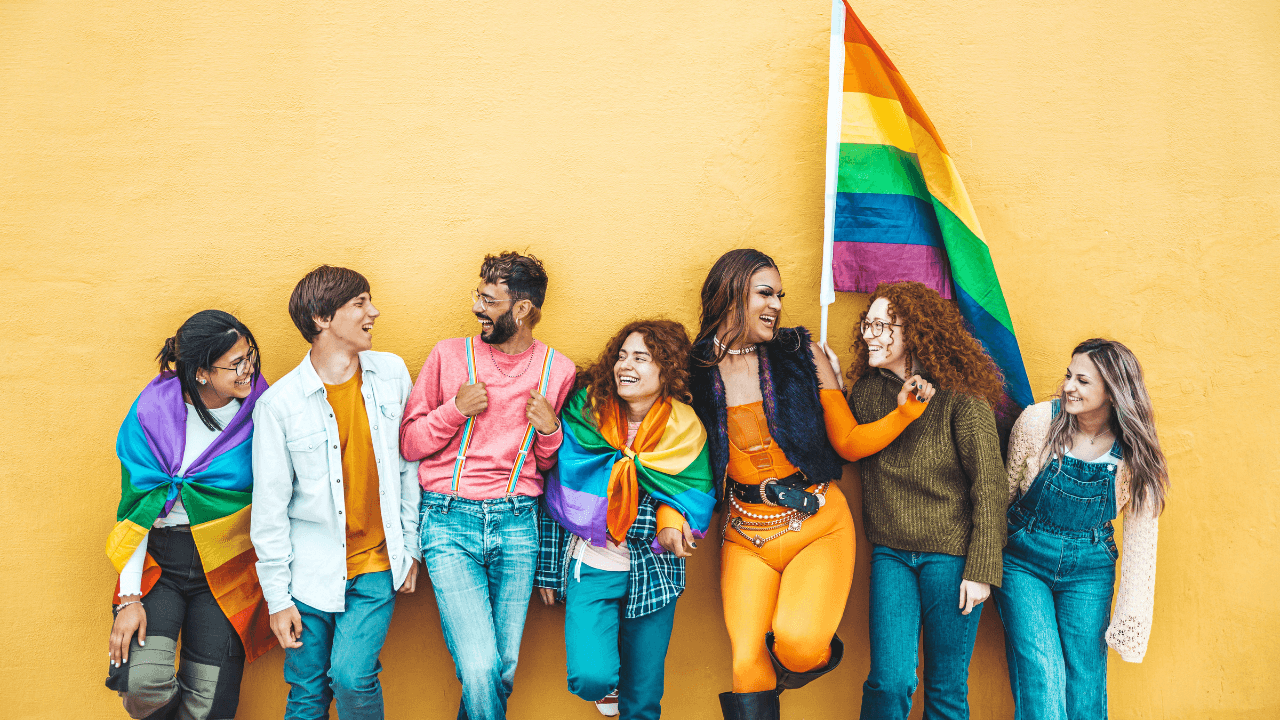
When Alex, a 26-year-old transgender man, first walked into a treatment center after years of struggling with alcohol addiction, the intake counselor misgendered him within the first five minutes. The experience was so painful that Alex left immediately and didn’t seek help again for another two years. His story, unfortunately, isn’t unique. Across Orange County, many LGBTQ+ individuals face barriers to accessing addiction treatment that truly understands and affirms their identities. Orange County, with its vibrant LGBTQ+ community of over 50,000 residents, has emerged as a progressive leader in providing inclusive, LGBTQ-friendly rehab services. From the bustling pride celebrations in Laguna Beach to the comprehensive resources at the LGBTQ Center Orange County in Santa Ana, the region offers hope for those seeking culturally competent addiction treatment that honors all aspects of their identity.
At Broadway Treatment Center, we understand that LGBTQ+ individuals face unique challenges in addiction and recovery. Our comprehensive addiction treatment programs in Orange County are designed to provide not just clinical excellence, but also the cultural competency and affirming environment that every person deserves during their healing journey.
Understanding the Unique Addiction Challenges in the LGBTQ+ Community
Minority Stress and Substance Use Patterns
The LGBTQ+ community faces substance use disorders at significantly higher rates than the general population. Research consistently shows that 20-30% of LGBTQ+ individuals struggle with addiction, compared to just 9% of the general population. This disparity isn’t coincidental—it’s directly linked to minority stress, the chronic stress experienced by marginalized groups due to discrimination, prejudice, and stigma.
Minority stress therapy has emerged as a crucial component of effective LGBTQ+ addiction treatment. This specialized approach recognizes that many LGBTQ+ individuals use substances as a way to cope with the daily challenges of living in a society that may not fully accept or understand their identities. Whether it’s dealing with workplace discrimination, family rejection, or internalized homophobia, these stressors create a perfect storm for substance abuse.
The Impact of Discrimination and Family Rejection
Family rejection remains one of the most devastating experiences for LGBTQ+ individuals, with far-reaching consequences for mental health and substance use. Studies show that LGBTQ+ young adults who experienced family rejection are eight times more likely to attempt suicide and three times more likely to use illegal drugs.
The trauma of discrimination extends beyond family relationships. Workplace harassment, healthcare discrimination, and even casual microaggressions accumulate over time, creating cumulative minority stress. Many LGBTQ+ individuals report using alcohol or drugs as a way to decompress after difficult interactions or to build confidence in social situations where they fear judgment.
Co-Occurring Mental Health Disorders
LGBTQ+ individuals seeking addiction treatment present with significantly higher rates of co-occurring mental health disorders. Research indicates that LGBTQ+ people are twice as likely to experience depression and anxiety, while transgender individuals face nearly four times the risk of mental health disorders.
This reality makes LGBTQ dual diagnosis treatment not just beneficial, but essential. Traditional addiction treatment that ignores underlying mental health challenges—often rooted in minority stress, trauma, and identity development issues—frequently fails to provide lasting recovery.
What Makes Rehab Truly LGBTQ-Friendly?
Culturally Competent Staff Training
True LGBTQ affirming treatment begins with staff who understand and respect diverse sexual orientations and gender identities. This goes beyond basic tolerance—it requires comprehensive training in LGBTQ+ cultural competency, including understanding the coming-out process, recognizing the impact of minority stress, and developing skills in affirmative therapy techniques.
Culturally competent rehab staff understand that LGBTQ+ clients may have had negative experiences with healthcare providers in the past. They know how to create safety through proper use of pronouns, respectful inquiry about identity and relationships, and recognition of chosen family structures.
Affirming Treatment Environments
An LGBTQ-friendly environment extends beyond staff training to encompass every aspect of the treatment setting. This includes intake forms that allow for diverse gender identities and relationship structures, bathroom policies that respect gender identity, and housing arrangements that prioritize safety and comfort for all clients.
Visual cues matter enormously in creating affirming spaces. LGBTQ+ individuals quickly scan new environments for signs of acceptance or potential discrimination. Rainbow flags, inclusive language in promotional materials, and diverse representation in imagery all signal that a facility truly welcomes LGBTQ+ clients.
Gender-Responsive Programming
Gender-responsive addiction treatment recognizes that the experience of addiction and recovery is deeply influenced by gender identity and expression. For transgender and non-binary individuals, this means treatment approaches that understand the intersection of gender dysphoria, transition-related stress, and substance use.
Many transgender individuals report using substances to cope with gender dysphoria or the stress of living in a body that doesn’t match their gender identity. Effective treatment must address these underlying issues while supporting clients’ gender affirmation goals.
Types of LGBTQ-Affirming Treatment Available in Orange County
Individual Therapy and Counseling
Individual therapy forms the cornerstone of effective LGBTQ+ addiction treatment, providing a safe space to explore the complex relationship between identity, trauma, and substance use. LGBTQ-affirming therapists use approaches specifically adapted for sexual and gender minority clients, including affirmative cognitive-behavioral therapy and minority stress-focused interventions.
In Orange County, Broadway Treatment Center offers individual counseling with therapists trained in LGBTQ+ affirmative approaches. Our therapists understand that coming out is often an ongoing process that can be complicated by addiction and recovery.
Specialized Group Therapy Programs
Group therapy takes on special significance in LGBTQ+ addiction treatment, offering opportunities to connect with peers who share similar experiences. Coming out during addiction recovery support groups Orange County programs provide specific forums for discussing the intersection of identity development and sobriety.
LGBTQ+ group therapy addresses topics that may not arise in mixed groups, such as navigating gay bars and club culture in sobriety, dealing with minority stress triggers, or managing relationships within the LGBTQ+ community.
Dual Diagnosis Treatment for Mental Health
The high prevalence of co-occurring mental health disorders in the LGBTQ+ community makes dual diagnosis treatment essential for many clients. Effective programs address depression, anxiety, PTSD, and other conditions alongside addiction, recognizing the complex interplay between mental health and substance use.
Family and Couples Therapy
Family dynamics play a crucial role in LGBTQ+ addiction and recovery, though the definition of “family” may be broader and more complex than in traditional treatment settings. Many LGBTQ+ individuals have strained relationships with biological family members while maintaining close bonds with chosen family members.
Gay and lesbian couples rehab therapy Orange County programs address the unique dynamics that can arise in same-sex relationships, including issues around coming out as a couple, navigating minority stress together, and addressing codependency that may have developed around substance use.
Orange County’s Leading LGBTQ-Friendly Treatment Centers
Broadway Treatment Center’s Inclusive Approach
Broadway Treatment Center has established itself as a leader in LGBTQ-friendly addiction treatment in Orange County through our comprehensive, culturally competent approach. Our program is designed specifically to address the unique needs of LGBTQ+ individuals while providing the highest quality clinical care available.
Located in the heart of Orange County, our facility serves clients from across the region, including Huntington Beach, Irvine, Costa Mesa, Newport Beach, Santa Ana, and surrounding communities. Our central location provides easy access via public transportation and major freeways.
Insurance Coverage and Financial Options
Navigating insurance coverage for LGBTQ addiction treatment centers that accept insurance Orange County can be complex, but most major insurance plans now cover addiction treatment as an essential health benefit. This includes coverage for detoxification, inpatient and outpatient treatment, medication-assisted treatment, and mental health services.
At Broadway Treatment Center, we work with most major insurance providers and have dedicated staff to help verify coverage and maximize benefits. For clients without adequate insurance coverage, we offer sliding-scale fee arrangements and payment plans to ensure that financial barriers don’t prevent access to life-saving treatment.
Specialized Programs for Different LGBTQ+ Populations
Transgender and Non-Binary Treatment Considerations
Transgender substance abuse treatment programs Southern California have evolved significantly in recent years, recognizing the unique challenges faced by transgender and non-binary individuals. These challenges include gender dysphoria, discrimination in healthcare settings, employment challenges, and the stress of navigating gender transition.
Our transgender-inclusive programming addresses practical considerations like hormone replacement therapy management during treatment, preferred name and pronoun use, and housing arrangements that prioritize safety and comfort.
Youth and Young Adult Programs
LGBTQ youth addiction prevention and treatment near me searches reflect the urgent need for age-appropriate, identity-affirming services for young people. LGBTQ+ youth face particular vulnerabilities, including higher rates of family rejection, bullying, and suicidal ideation.
Young adult programming addresses the unique challenges of navigating identity development and early recovery simultaneously. Many LGBTQ+ young adults are coming out for the first time during their treatment experience, requiring specialized support and guidance.
Older Adult LGBTQ+ Services
Older LGBTQ+ adults face unique challenges in addiction treatment, including a lifetime of navigating discrimination, potential isolation from family support systems, and health complications related to long-term substance use. Many older LGBTQ+ adults lived through decades when their identities were criminalized or pathologized.
The Coming Out Process During Recovery
Safe Disclosure in Treatment Settings
The coming out process doesn’t stop when someone enters addiction treatment—in fact, treatment often provides the first truly safe space for some individuals to explore and express their authentic identities. Creating environments where LGBTQ+ individuals feel safe to disclose their identities is crucial for effective treatment.
Safe disclosure in treatment settings requires careful attention to confidentiality policies, group composition, and individual readiness. Some clients may choose to be out in individual therapy but not in group settings. Effective LGBTQ+ treatment honors these individual choices while providing support for whatever level of disclosure feels safe and appropriate.
Managing Family Relationships
Family relationships present complex challenges for many LGBTQ+ individuals in recovery. Some clients have supportive families who embrace their identities, while others face rejection, conditional acceptance, or ongoing conflict.
Our family therapy programming addresses these complex dynamics with sensitivity and skill. Sometimes this involves helping family members understand and accept their loved one’s identity for the first time. We also recognize that some LGBTQ+ individuals have limited or no contact with biological family members, relying instead on chosen family for support.
Building Authentic Support Networks
Recovery requires strong support networks, but LGBTQ+ individuals may need to rebuild these networks in ways that honor their authentic identities. This might mean finding new social activities that don’t revolve around bars or clubs, connecting with LGBTQ+ recovery communities, or learning to navigate straight social settings while maintaining sobriety.
Building authentic support networks often involves connecting with the broader LGBTQ+ community in Orange County. This includes organizations like the LGBTQ Center Orange County, which provides ongoing support groups, social activities, and community connections.
Building Long-Term Recovery in the LGBTQ+ Community
Continuing Care and Aftercare Planning
Long-term recovery success requires comprehensive aftercare planning that addresses the ongoing challenges LGBTQ+ individuals may face after completing formal treatment. This includes developing coping strategies for minority stress, building and maintaining supportive relationships, and accessing ongoing mental health care when needed.
Our aftercare planning process includes connecting clients with LGBTQ+-friendly healthcare providers, therapists, and support groups in their communities. We help clients develop safety plans for managing discrimination or rejection and create strategies for navigating social situations that might trigger substance use.
Community Resources and Support Groups
Orange County offers numerous community resources specifically designed to support LGBTQ+ individuals in recovery. The LGBTQ Center Orange County provides ongoing support groups, educational workshops, and social activities that help people maintain connections to the community while supporting their recovery goals.
Support groups specifically for LGBTQ+ individuals in recovery provide ongoing peer support from people who understand the unique challenges of maintaining sobriety while navigating minority stress.
Addressing Relapse Prevention
Relapse prevention for LGBTQ+ individuals must address the specific triggers and challenges that may threaten recovery. This includes developing strategies for managing minority stress, navigating social situations in the LGBTQ+ community that may involve substance use, and maintaining recovery motivation during difficult times.
Our relapse prevention programming helps clients identify their personal triggers, develop healthy coping strategies, and create detailed action plans for managing high-risk situations.
Frequently Asked Questions
1. Will my treatment be confidential if I’m not out to my family or employer? Yes, all addiction treatment is protected by strict confidentiality laws. You control who receives information about your treatment, and we can work with you to protect your privacy while getting the care you need.
2. What if I’m in the process of gender transition? Can I continue hormone therapy during treatment? Absolutely. We work with transgender-competent medical providers to ensure continuity of gender-affirming care, including hormone replacement therapy, during your treatment.
3. Are there support groups specifically for LGBTQ+ people in recovery? Yes, we offer LGBTQ+-specific support groups and can connect you with community-based recovery groups specifically for sexual and gender minorities.
4. Will I be placed in housing or programs based on my gender identity or birth-assigned gender? We place clients in programs and housing based on their gender identity and what feels safest and most comfortable for them, not their birth-assigned gender.
5. What if I’ve had bad experiences with healthcare providers in the past? We understand that many LGBTQ+ individuals have faced discrimination in healthcare settings. Our staff is specially trained in LGBTQ+ cultural competency and creating safe, affirming environments.
6. Do you treat couples or families who may not accept my identity? Yes, we offer family and couples therapy specifically designed to address identity acceptance issues alongside addiction recovery. Our therapists are skilled in helping families navigate these complex dynamics.
7. What if I can’t afford treatment or don’t have insurance? We work with most major insurance providers and offer sliding-scale fees and payment plans. We’re committed to ensuring that financial barriers don’t prevent access to care.
8. Are your staff members trained in LGBTQ+ issues? Yes, all our staff receive comprehensive training in LGBTQ+ cultural competency, and we have LGBTQ+ staff members and allies who bring both professional expertise and lived experience to their work.
9. Can I bring my chosen family to family therapy sessions? Absolutely. We recognize and honor chosen family relationships and include them in treatment planning and family therapy when appropriate.
10. What ongoing support is available after I complete treatment? We provide comprehensive aftercare planning including connections to LGBTQ+-friendly therapists, support groups, and community resources. We also offer alumni programming and ongoing check-ins to support long-term recovery.
Take the First Step Toward Affirming, Effective Treatment
Recovery is possible for everyone, and you deserve addiction treatment that honors and affirms all aspects of who you are. At Broadway Treatment Center, we understand that LGBTQ+ individuals face unique challenges in addiction and recovery, and we’re committed to providing culturally competent, comprehensive care that addresses your specific needs and experiences.
Our LGBTQ-friendly rehab in Orange County offers more than just addiction treatment—we provide a safe space where you can explore your identity, heal from trauma, and build the skills needed for lasting recovery. Our staff understands the impact of minority stress, the challenges of family relationships, and the importance of building authentic support networks that will sustain your recovery long-term.
Whether you’re struggling with alcohol, drugs, co-occurring mental health disorders, or the complex intersection of identity and addiction, we’re here to help. Our comprehensive programs address the whole person, providing individualized treatment that honors your unique experiences while building the foundation for a healthy, authentic life in recovery.
Don’t let fear of discrimination or past negative experiences prevent you from getting the help you deserve. The LGBTQ+ community in Orange County is vibrant and supportive, with numerous resources available to help you not just get sober, but thrive in all aspects of your life.
Ready to begin your recovery journey in a truly affirming environment? Contact Broadway Treatment Center today to speak with our caring, LGBTQ+-competent admissions team. We’re available 24/7 to answer your questions, verify your insurance coverage, and help you understand your treatment options.

