
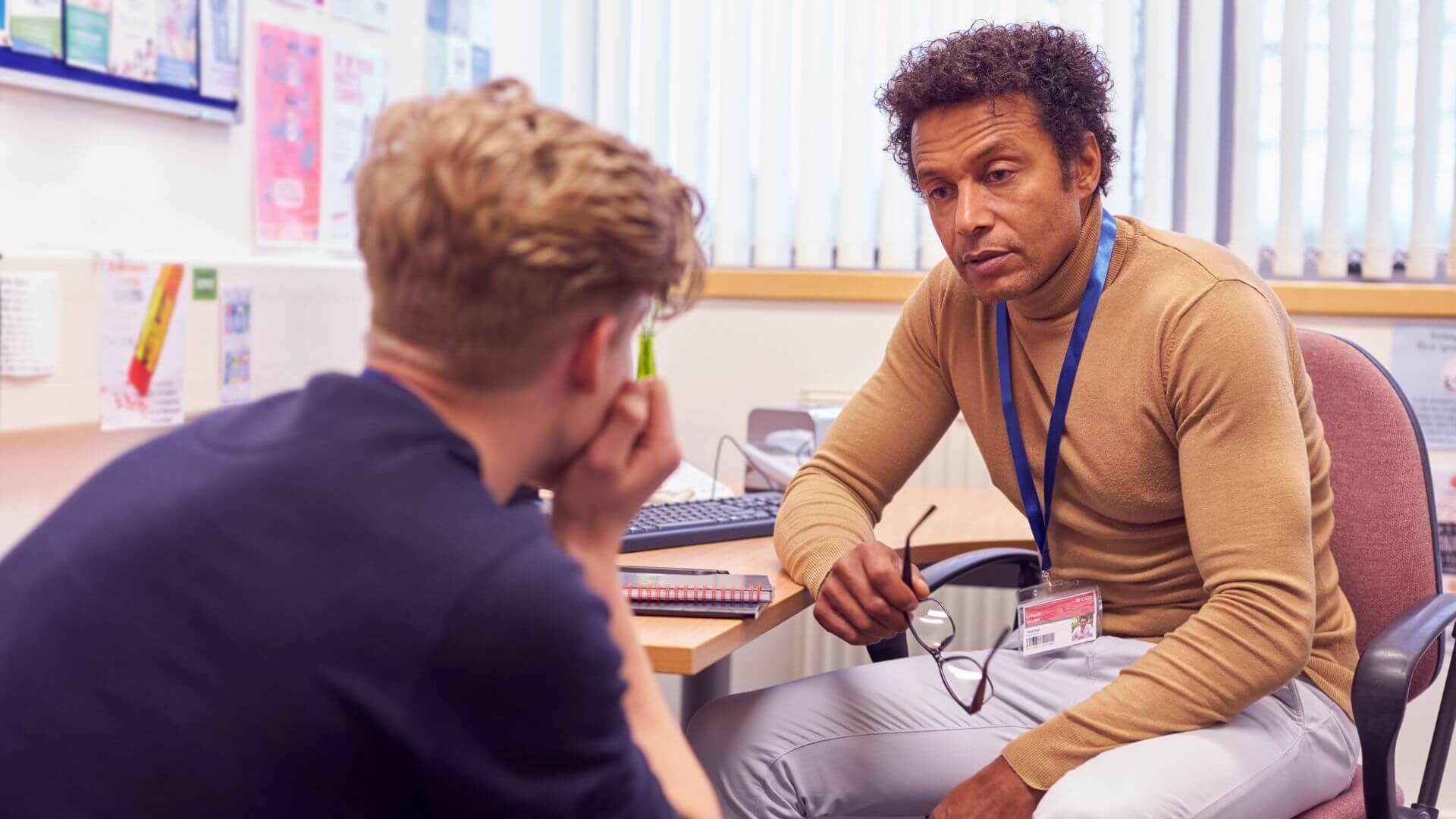
Individual, group, and family therapy form the foundation of effective addiction recovery treatment. After working in addiction treatment for over fifteen years, I’ve witnessed countless individuals transform their lives through these carefully coordinated therapeutic approaches. What strikes me most is how different people respond to different modalities—some thrive in group therapy settings, others need the safety of individual therapy sessions, and many require family therapy involvement to address deep-rooted relationship patterns that contribute to addiction.
At Broadway Treatment Center, our Joint Commission-accredited facility in Orange County, we’ve learned that the most successful outcomes occur when individual, group, and family therapy work together as complementary forces. It’s like building a three-legged stool—remove any leg, and the stability suffers significantly.
Understanding the Three Pillars of Therapeutic Treatment
The integration of multiple therapeutic modalities isn’t just best practice; it’s essential for addressing the complex nature of addiction and co-occurring mental health disorders. Addiction rarely exists in isolation. It affects the individual’s psyche, their relationships with family and friends, and their ability to connect with community and peers.
Think about it this way: addiction creates ripple effects that extend far beyond the person using substances. Family dynamics shift, often in unhealthy directions. Social connections become strained or lost entirely. The individual may isolate, losing important peer support systems that could aid in recovery.
When we approach treatment through individual, group, and family therapy simultaneously, we’re addressing these multiple layers of impact. Each modality serves a distinct purpose while reinforcing the work done in other settings. This comprehensive approach has consistently shown better long-term outcomes in our Orange County facility, where we’ve treated thousands of individuals and families over the past decade.
Individual Therapy: Personalized Healing and Self-Discovery
Individual therapy forms the cornerstone of personalized treatment. In these one-on-one sessions, clients can explore deeply personal issues that might feel too vulnerable to share in group settings initially. There’s something powerful about having a dedicated space where you’re the sole focus of therapeutic attention.
Evidence-Based Individual Therapy Approaches
Our clinicians employ various evidence-based approaches, with Cognitive Behavioral Therapy (CBT) being particularly effective for addiction treatment. CBT helps clients identify the thought patterns that lead to substance use and develop healthier coping mechanisms. I’ve seen clients have breakthrough moments when they finally recognize the connection between their negative self-talk and their urge to use.
Motivational interviewing is another cornerstone technique we use extensively. Rather than confronting clients about their addiction, this approach helps them find their own motivation for change. It’s fascinating to watch someone discover their “why” for recovery—whether it’s rebuilding relationships with their children, pursuing career goals, or simply wanting to feel genuinely happy again.
Dialectical Behavior Therapy (DBT) skills prove invaluable for clients who struggle with emotional regulation. Many people in early recovery feel overwhelmed by emotions they’ve been numbing for years. Teaching distress tolerance and mindfulness skills gives them practical tools for managing these intense feelings without resorting to substances.
Individual Therapy for Substance Abuse in Orange County
Orange County presents unique challenges and opportunities for addiction treatment. Our community has been significantly impacted by the opioid crisis, but we also have access to some of the most innovative treatment approaches on the West Coast. The combination of year-round mild weather and proximity to cutting-edge research facilities creates an environment conducive to healing.
Many of our clients struggle with dual diagnosis conditions—addiction coupled with depression, anxiety, PTSD, or other mental health disorders. Individual therapy allows us to address these co-occurring conditions simultaneously. For instance, a client dealing with social anxiety might have started using alcohol to feel comfortable in social situations. In individual sessions, we can work on anxiety management techniques while also addressing the addiction.
The accessibility of individual therapy has improved dramatically with technological advances. While in-person sessions remain ideal, we’ve found that telehealth options help clients maintain consistency when transportation or scheduling becomes challenging. This flexibility has been particularly valuable for working professionals who might otherwise skip sessions due to work commitments.
The Role of Trauma-Informed Individual Therapy
Trauma underlies many addiction stories. Whether it’s childhood abuse, military combat exposure, accident-related PTSD, or complex trauma from ongoing difficult circumstances, unresolved trauma often drives substance use as a form of self-medication.
Trauma-informed individual therapy for addiction requires specialized training and a careful approach. We create physically and emotionally safe environments where clients can process traumatic experiences at their own pace. This might involve EMDR (Eye Movement Desensitization and Reprocessing), somatic experiencing techniques, or narrative therapy approaches.
What’s crucial is understanding that trauma responses aren’t always obvious. Sometimes clients don’t even realize they’ve experienced trauma until we begin exploring their history. I remember working with a client who couldn’t understand why she turned to pills after seemingly minor stressful events. Through gentle exploration, we discovered patterns of emotional neglect in childhood that had never been addressed. Once we worked through those foundational issues, her recovery gained solid footing.
Group Therapy: Building Community and Shared Healing
Group therapy offers something individual sessions cannot: the power of shared experience and peer support. There’s a unique healing that occurs when someone realizes they’re not alone in their struggles. The shame that often accompanies addiction begins to dissolve when surrounded by others who truly understand.
Group Therapy Approaches for Relapse Prevention
Relapse prevention groups focus on practical skills and ongoing accountability. Members learn to identify their personal trigger patterns, develop coping strategies, and create support networks they can rely on during challenging times. The group dynamic creates natural accountability—members check in with each other between sessions and provide encouragement during difficult periods.
Process groups, on the other hand, focus more on emotional exploration and interpersonal dynamics. These sessions help members understand how they relate to others and work through relationship patterns that may have contributed to their addiction. Often, the same dynamics that show up in family relationships will emerge in group settings, providing real-time opportunities for growth and change.
Skills-based groups teach concrete techniques for managing stress, communicating effectively, and building healthy routines. These might include mindfulness groups, art therapy sessions, or psychoeducational groups that teach about the neuroscience of addiction. Each type serves a different aspect of recovery while contributing to overall healing.
Cognitive Behavioral Therapy in Group Settings
CBT delivered in group format offers unique advantages. Group members can practice challenging each other’s negative thought patterns, providing different perspectives that individual therapy might not offer. When someone shares a distorted thought pattern, other group members often recognize similar patterns in themselves.
The social learning aspect is powerful. Watching someone else successfully challenge negative thinking or implement coping strategies makes these techniques feel more attainable. Group members become both teachers and students, reinforcing their own learning while helping others.
Cost-effectiveness is another significant advantage of group CBT. This makes evidence-based treatment more accessible to individuals who might not otherwise afford extensive individual therapy. At Broadway Treatment Center, we’ve found that many clients benefit from a combination of individual and group CBT sessions.
Teen Group Therapy for Substance Use Disorders
Adolescent substance use requires specialized approaches that consider developmental factors and peer influence. Teen group therapy for substance use disorders in Orange County addresses the unique challenges facing young people in our community, including academic pressure, social media influence, and early exposure to substances.
Peer influence works both ways—it can contribute to substance use, but it can also powerfully support recovery. In teen groups, we harness positive peer influence by creating environments where sobriety and healthy choices are valued and celebrated. Young people often listen to their peers more readily than to adults, making group therapy particularly effective for this population.
Family integration is crucial for teen treatment success. While the teenager participates in age-appropriate group therapy, we simultaneously work with families to create supportive home environments and improve communication patterns.
Family Therapy: Healing Relationships and Systems
Addiction affects entire family systems, not just the individual using substances. Family roles shift, communication patterns become dysfunctional, and trust erodes over time. Family counseling for addiction recovery in California addresses these systemic issues while teaching healthier ways of relating.
Family therapy operates from a systems perspective, recognizing that changing one part of the system affects all other parts. When the person in recovery begins changing their behavior, family members must also adapt and learn new ways of interacting. This process can be challenging but ultimately strengthening for family relationships.
Family Counseling for Addiction Recovery in California
California’s diverse population requires culturally sensitive approaches to family therapy. We work with families from various ethnic, religious, and socioeconomic backgrounds, each bringing unique cultural values and communication styles. What works for one family may not work for another, requiring flexibility and cultural competence from our therapists.
Codependency issues often emerge in family therapy sessions. Family members may have developed enabling behaviors or taken on inappropriate responsibilities in response to their loved one’s addiction. Learning to set healthy boundaries while still showing support requires careful guidance and practice.
Communication skills training is fundamental to successful family therapy. Many families affected by addiction have developed harmful communication patterns—yelling, blaming, silence, or passive-aggressive behaviors. Learning to express needs and concerns directly while listening empathetically to others takes time and practice.
Intensive Outpatient Family Therapy Programs
Intensive outpatient family therapy programs for young adults offer structured support while allowing families to maintain their daily routines. These programs typically involve multiple sessions per week, combining family therapy with psychoeducation about addiction and recovery.
The intensive nature allows for deeper work than weekly sessions alone. Families can process difficult emotions, work through conflicts, and practice new communication skills with immediate therapist support. This approach is particularly effective during early recovery when family stress levels are often highest.
Coordination with individual and group treatment ensures that all aspects of the client’s therapy work together cohesively. Family therapists communicate regularly with individual therapists to ensure consistent messaging and avoid therapeutic conflicts.
Couples Therapy for Co-Occurring Disorders
Relationships face unique challenges when one or both partners struggle with co-occurring mental health and addiction issues. Couples therapy for co-occurring mental health and addiction addresses these complex dynamics while building relationship resilience.
Trust rebuilding is often a central focus. Addiction frequently involves deception, broken promises, and prioritizing substances over relationship commitments. Rebuilding trust requires consistent actions over time, combined with honest communication about ongoing challenges and triggers.
Intimacy issues commonly arise in couples affected by addiction. Physical, emotional, and sexual intimacy all suffer when substances become the primary coping mechanism. Couples therapy helps partners reconnect while respecting the recovery process and individual healing needs.
Integrative Treatment Approaches at Broadway Treatment Center
Our comprehensive approach recognizes that lasting recovery requires addressing the whole person—mind, body, and spirit. We integrate traditional therapeutic modalities with complementary approaches that support overall wellness and sustainable lifestyle changes.
Holistic Individual Therapy for Long-Term Recovery
Holistic individual therapy for long-term addiction recovery incorporates mindfulness practices, nutritional counseling, exercise planning, and stress management techniques. We’ve found that clients who engage in holistic approaches often report higher life satisfaction and better long-term outcomes.
Mind-body practices like yoga therapy and meditation training help clients develop awareness of physical sensations and emotional states without immediately reacting. This awareness proves invaluable during challenging moments when the urge to use substances might arise.
Spiritual exploration, when appropriate for the individual client, can provide meaning and purpose that supports sustained recovery. This doesn’t necessarily mean religious involvement—it might involve connecting with nature, engaging in creative expression, or exploring personal values and life purpose.
Affordable and Accessible Treatment Options
We understand that cost concerns prevent many people from seeking treatment. Our financial counselors work with families to explore insurance coverage options, payment plans, and sliding scale fees when appropriate. Many insurance plans now provide substantial coverage for addiction treatment following parity laws.
Community partnerships allow us to offer reduced-cost services for individuals who might not otherwise afford treatment. We work with local organizations, churches, and support groups to ensure that financial barriers don’t prevent access to life-saving treatment.
Payment assistance programs help families manage treatment costs while prioritizing recovery. We’ve learned that financial stress can actually hinder recovery progress, so addressing these practical concerns becomes part of the therapeutic process.
Choosing the Right Therapeutic Approach
Not everyone needs the same intensity or combination of services. Our assessment process helps determine which therapeutic modalities will be most beneficial for each individual and family situation.
Assessment and Treatment Planning
Initial evaluation involves comprehensive screening for mental health conditions, substance use patterns, family dynamics, and individual strengths and challenges. This assessment guides treatment recommendations and helps prioritize therapeutic goals.
Matching clients to appropriate modalities requires clinical expertise and ongoing evaluation. Someone with severe social anxiety might benefit from individual therapy before joining group sessions. Families in crisis might need intensive family therapy before the individual is ready to engage meaningfully in treatment.
Treatment adjustments occur regularly based on progress and changing needs. Recovery is not a linear process, and effective treatment adapts to support clients through various stages of change and growth.
Measuring Success in Multi-Modal Treatment
Success metrics go beyond simple sobriety counts. We track improvements in family relationships, employment stability, mental health symptoms, legal issues, and overall quality of life measures. These comprehensive outcomes provide a fuller picture of recovery progress.
Long-term follow-up and continuing care planning help maintain gains achieved during intensive treatment phases. Recovery is a lifelong process, and ongoing support significantly improves long-term success rates.
Quality assurance through our Joint Commission accreditation ensures that our treatment approaches meet the highest standards of care. Regular outcome evaluations help us continually improve our services and adapt to emerging best practices in addiction treatment.
Frequently Asked Questions About Individual, Group, and Family Therapy
What’s the difference between individual, group, and family therapy for addiction?
Individual therapy provides personalized, one-on-one treatment focusing on personal triggers, trauma, and coping strategies. Group therapy offers peer support and shared experiences with others in recovery. Family therapy addresses relationship dynamics and helps heal family systems affected by addiction. Most successful treatment plans incorporate all three modalities.
How long does therapy typically last in addiction treatment?
Treatment duration varies based on individual needs, but most clients benefit from 3-6 months of intensive therapy, followed by ongoing maintenance sessions. Individual therapy might continue for 6-12 months, while group therapy participation often extends longer as peer support becomes integral to sustained recovery.
Does insurance cover individual, group, and family therapy for addiction?
Most insurance plans provide substantial coverage for addiction treatment, including therapy services, due to mental health parity laws. Our financial counselors work with families to maximize insurance benefits and explore payment options for any remaining costs.
Can family members participate in therapy even if they’re not addicted?
Absolutely. Family therapy is essential because addiction affects entire family systems. Family members often need support to address codependency, learn healthy boundaries, and develop communication skills that support their loved one’s recovery while maintaining their own wellbeing.
What happens if someone isn’t ready for group therapy yet?
We carefully assess each client’s readiness for different therapeutic modalities. Some individuals begin with individual therapy to build confidence and coping skills before joining group sessions. Others might start with family therapy while preparing for individual work. Treatment plans are flexible and adjusted based on progress and comfort levels.
How do you handle confidentiality in group therapy settings?
Group therapy operates under strict confidentiality agreements. All participants sign agreements committing to keep shared information private. Our licensed therapists facilitate groups and ensure that confidentiality rules are understood and maintained throughout treatment.
What types of group therapy do you offer at Broadway Treatment Center?
We offer various group therapy formats including CBT groups, process groups, relapse prevention groups, trauma-focused groups, and specialized groups for teens, young adults, and specific populations. Groups are led by licensed clinicians and tailored to address different aspects of recovery.
Can couples attend therapy together during addiction treatment?
Yes, couples therapy for co-occurring disorders is available and often beneficial. We address relationship dynamics, trust rebuilding, and communication skills while respecting each partner’s individual recovery needs. Sometimes individual therapy occurs simultaneously with couples work for optimal outcomes.
The journey toward recovery requires courage, commitment, and comprehensive support. At Broadway Treatment Center, we’re honored to provide expert guidance through individual, group, and family therapy approaches that address the full spectrum of healing needs. If you or a loved one is struggling with addiction or co-occurring mental health issues, we invite you to explore how our integrated treatment approach can support your path to lasting recovery.
Contact our admissions team today to learn more about our programs and begin your journey toward healing and hope. Recovery is possible, and you don’t have to face it alone.

